The People
The story of the Riverlands is a rich tapestry woven by many hands. First inhabited by Indigenous and Métis peoples, the region later became a sanctuary for European settlers—including Russian Doukhobors, Ukrainians, French Catholics, Romanians, English, and Germans. Today, settlements and nearby Indigenous communities still reflect these diverse roots, and informational signs along the tour route capture their stories.
Early Settlements
Carlton Area
Long before the era of modern infrastructure, Indigenous People settled and traded extensively along this stretch of the river. The Carlton Area served as a primary artery for movement and commerce, with the historic Carlton Trail and Crossing acting as a vital connection point for the region’s earliest inhabitants and traders. Informational signs along our tour route today capture the stories of these early exchanges and the enduring significance of this crossing.
Petrofka Area
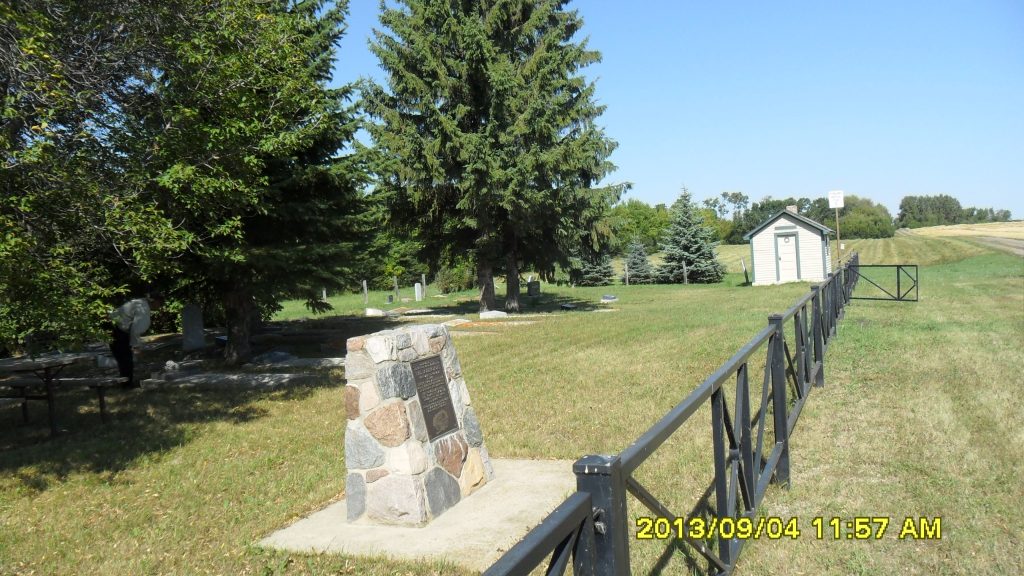
Settled in 1899 by Doukhobors who immigrated to Canada from Russia, Petrofka stands as a testament to pioneer resilience. Named in honour of Doukhobor leader Peter Verigin, the village site (52.65101 N, -106.86446 W) was strategically chosen for its proximity to Petrofka Spring and a reliable river crossing. Before the bridge was completed in 1962, the Petrofka Ferry (1901–1962) served as the primary link across the water.
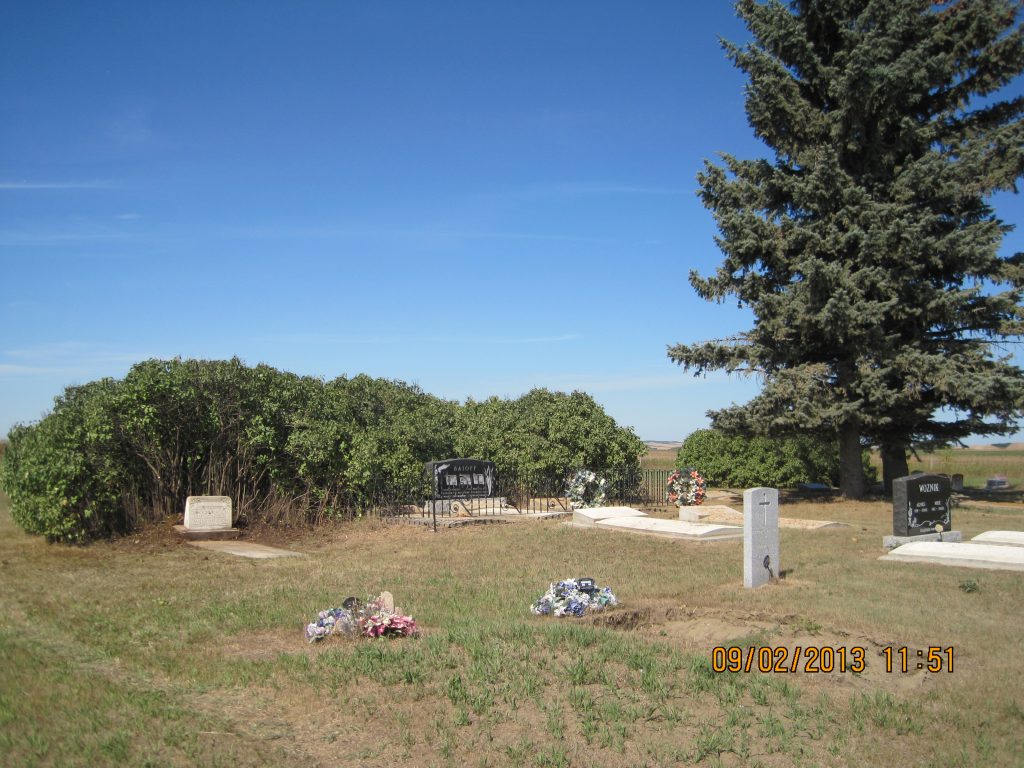
The community’s early days were marked by hardship and determination; the first settlers wintered in homes dug directly into the riverbanks. Over time, the village grew to include a post office and various businesses, including a flour mill on nearby Radouga Creek. The Petrofka School District No. 23, established in 1911 and operating until 1954, was one of Saskatchewan’s earliest school districts. While the village buildings are gone, the Petrofka Cemetery (1899–present) remains southwest of the site as a lasting record of the families who called this area home.
Riverlot Farms & Marcelin
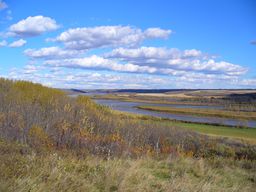
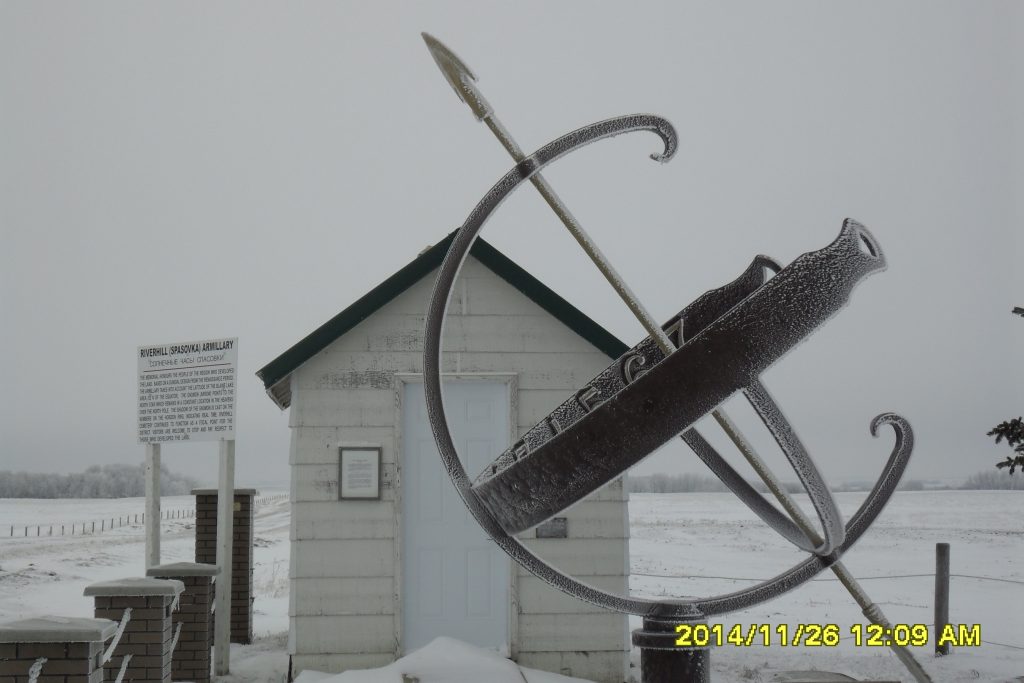
While much of Saskatchewan is surveyed on a standard grid of ½ by ½ mile quarter sections, the land at Riverhill (Spasovka) follows a unique “River Lot” system. To ensure every family had direct access to the water, the lots were surveyed as long, narrow strips measuring 1/8 by 2 miles. Within these sixteen historic lots, visitors can find the Riverhill Cemetery—marked by its distinctive armillary monument—and the original site of Fort La Monteé, a North West Company trading post that amalgamated with the Hudson’s Bay Company’s Fort Carlton in 1821.
Just to the west lies the Town of Marcelin, originally founded by Antoine Marcelin in 1902. In a remarkable display of community adaptation, the entire village moved half a mile west in 1913 to its current location at Highway 40 and Grid Road 783 to meet the new CN Rail Line. Today, Marcelin remains a vital business hub for the region and serves as a neighbor to the Muskeg Lake First Nation. A visit to the town’s cemetery offers a silent but powerful reflection of the cultural and religious diversity that defines this district.
Doukhobor Villages
The Riverlands Heritage Region has long been shaped by a strong presence of Doukhobor farmers who initially established communal villages throughout the district. These early settlements included Petrofka, Terpeniye (Brookhill), Ospennia, Slavanka, Spasovka (River Hill), and Pazeraevka. In the early 1900s, these communal sites began to disperse when government policy changes required settlers to register as individual landowners.
Although the physical village structures are long gone, the legacy of these families remains in the quiet country cemeteries that mark their original locations. In 2023, with the dedicated help of local members, the RHPRI installed commemorative metal benches at the cemeteries along the tour route. These resting spots offer visitors a place to pause and reflect on the history and names of the families who first broke this ground.
Places of Worship
Craigmore Church
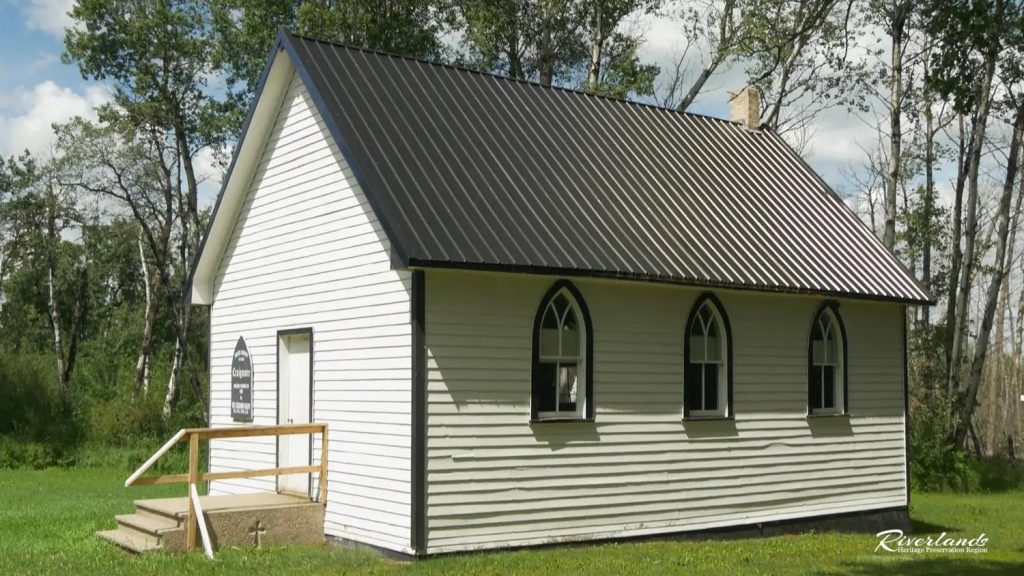
Established in 1904 by Dr. Benjamin Ralph and named after a college in Ireland, Craigmore Church is widely considered one of Saskatchewan’s most serene and idyllic locations. Dr. Ralph arrived in the district to homestead and provide spiritual leadership, serving the community with distinction until his death in 1930. His grave remains in the adjacent Craigmore Cemetery, and the site continues to be a favorite destination for visitors seeking a moment of peace and reflection.
St. Joseph’s Cathedral
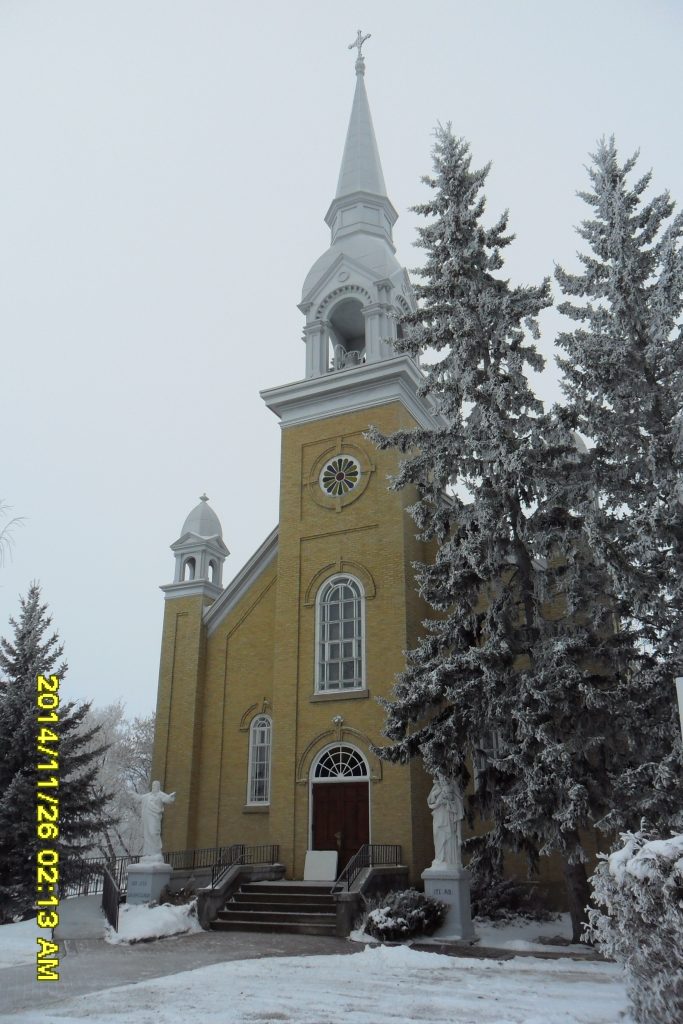
The history of St. Joseph’s reflects the growth of the Marcelin district. Originally a wooden structure built in 1904 at the first village site, the “new” church was completed in 1923 using local brick and fieldstone. Designed by noted architect Theodore de Byl—who was famous for his work in French Canadian Roman Catholic communities across Western Canada—it is now a designated Municipal Heritage Property. For many years, the parish included a convent where nuns taught school and music to the children of the region.
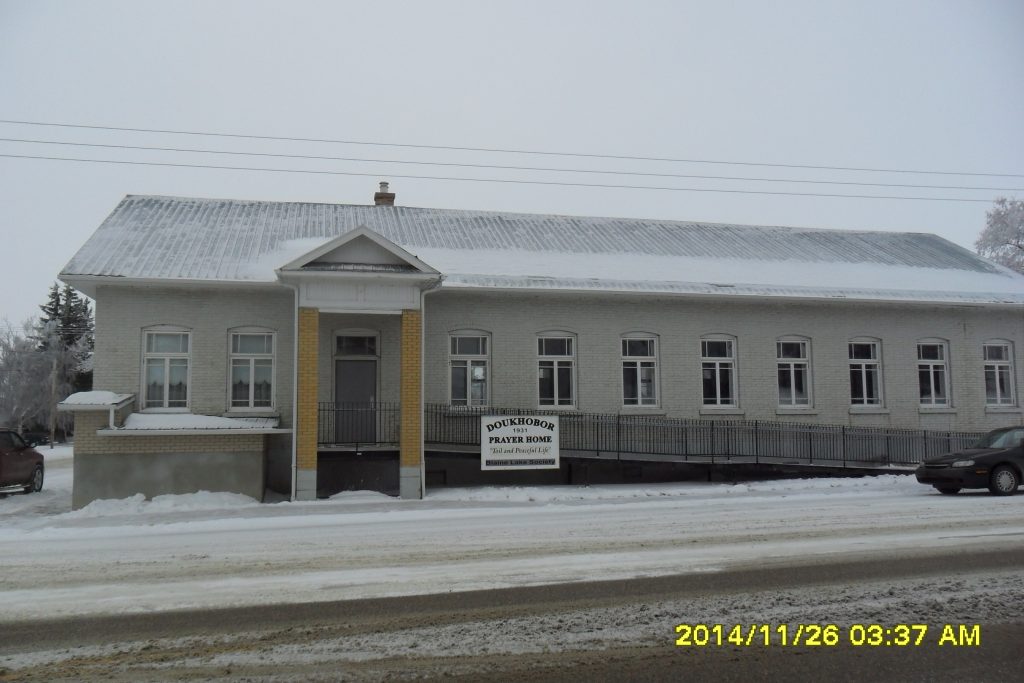
Doukhobor Prayer Home
Built in 1931, the Prayer Home provided a central location for spiritual meetings that had previously been held in private homes or under the open sky. Its simplified classic architecture and unadorned interior reflect the core Doukhobor belief in personal spiritual wealth rather than material display. Designated a Municipal Heritage Building in 1991, it stands as a significant landmark of the community’s spiritual history, though it remains closed to the public at this time.
Country Schools
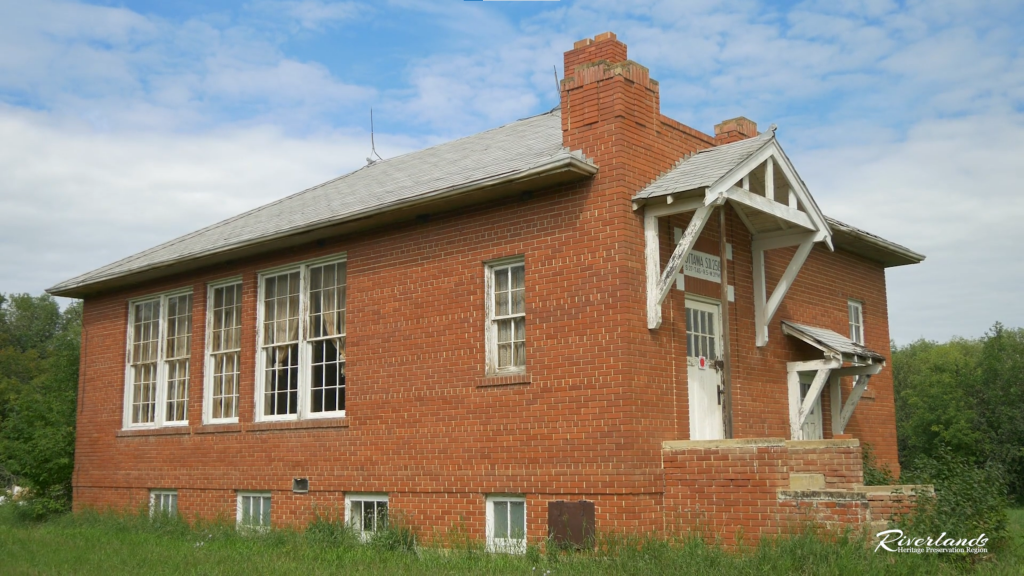
In the first half of the 20th century, country schoolhouses were the true heartbeat of rural society. Spaced every five to six miles to ensure children could arrive by foot or on horseback, these buildings served as more than just classrooms. Ottawa School #2519 is a rare and beautiful example of the brick architecture used in these districts.
Originally established in 1910, the school was rebuilt in 1930 after the first structure was destroyed by fire. Until its doors closed in 1958, it was a vital community hub, hosting everything from board meetings and political socials to dances, Christmas concerts, and local sports days. Although it is now privately owned, it remains a landmark of the educational and social history that helped build the Riverlands.