
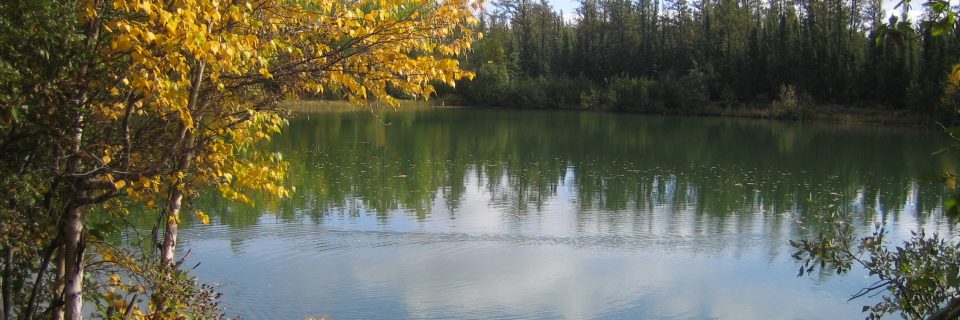
Site #19: Aspen Parklands
The Riverlands is located in one of the most unique ecological zones in North America: the Aspen Parkland. From this vantage point, you can clearly see the “tension zone” between the dry, open grasslands to the south and the cool, damp boreal forest to the north.
The Parkland Mosaic
What makes the Aspen Parkland distinct is its mosaic-like appearance. As noted in the Saskatchewan Ecoregion Classification Service, this landscape is a patchwork of “bluffs” (groves of Trembling Aspen and Balsam Poplar) interspersed with stretches of fescue prairie. Historically, this balance was maintained by two primary forces: fire and grazing, which prevented the forest from completely overtaking the meadows.
A Biological Bridge
Because it is a transition zone (or “ecotone”), the Parkland supports a higher level of biodiversity than either the deep forest or the open plains. According to Nature Saskatchewan, the Parkland is a critical bridge for wildlife. Many northern species reach their southern limit here, while prairie species reach their northern limit, creating a habitat for over 50 species of mammals and more than 230 species of birds.
The Settler’s Choice
For early pioneers, the Aspen Parkland was the ideal zone for settlement. As documented in Bridging the Years: Era of Blaine Lake and District 1790-1980, the trees provided essential fuel and building materials, while the open patches of prairie were ready to be broken by the plow without the labor of clearing thick forest. This natural abundance is exactly why the Riverlands became a diverse “melting pot” of cultures.