
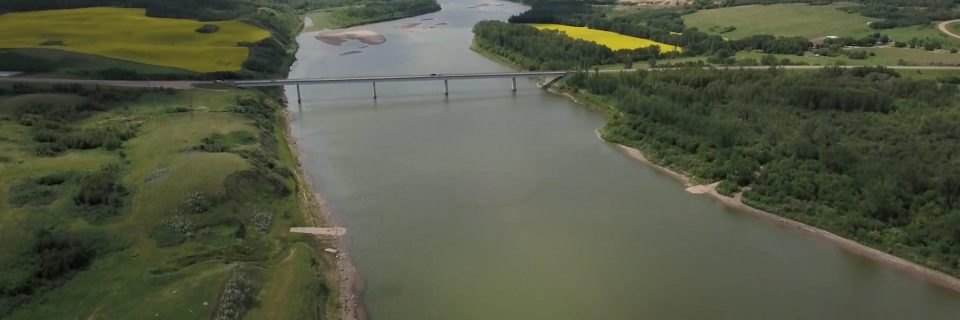
Site #30: Petrofka Area
The Petrofka area was a primary settlement site for the Russian Doukhobors who arrived in Canada in 1899. Strategically chosen for its natural resources, this location offered everything a pioneer community needed: a reliable water source, fertile soil, and a natural river crossing.
Survival in the Riverbank
The first winter at Petrofka was a test of pure endurance. Lacking materials for permanent homes, many families survived in “zemlyankas”—shelters dug directly into the river banks. According to Saskatchewan provincial heritage records, the village site was later formally established near the Petrofka Spring, which provided a permanent source of fresh water for the growing community.
The Mill and the Relocated Millstone
The village was a center of early engineering, most notably for the flour mill located on Radouga Creek. While the mill building is gone, a massive piece of this history remains. The original Petrofka Millstone was preserved and relocated; as noted by the Blaine Lake Museum and Heritage Association, it is now on permanent display at the museum grounds in Blaine Lake, serving as a silent witness to the industrial ingenuity of the Doukhobor pioneers.
Modern Preservation
Today, the site is a popular rest stop featuring interpretive signage. As noted by historian Jonathan J. Kalmakoff, Petrofka remains a significant site for Doukhobor descendants, serving as a reminder of the grit and ingenuity required by those original 1899 settlers to build a life in the Saskatchewan wilderness.